A Family Is a Family Is a Family
Sara O'Leary
The one to hand a teacher. Every kid in the class describes a different kind of family, so the adopted or fostered child is one of many instead of the lesson.
See it on Amazon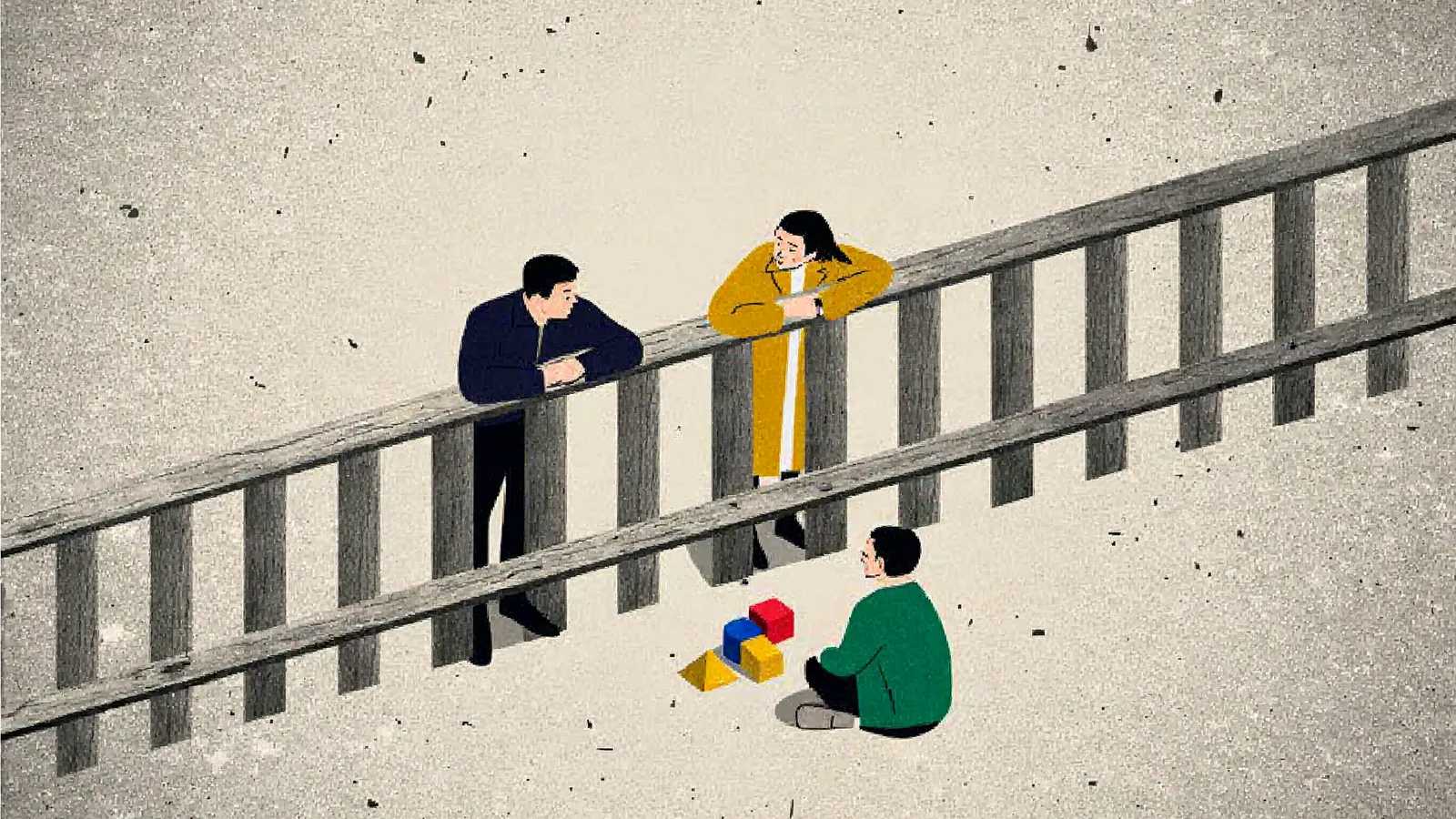
Skip anything that questions whether this is a full family, puts a price on a child, tells a child how to feel about being adopted, or digs for the child's private history. Say what you would say to any new parent: congratulations, she's wonderful, what can I bring.
Adult adoptees who write about this spend far more words on what was said to them and about them than on what their parents had to put up with. That seems fair. A parent can roll her eyes in the car. A six-year-old carries it.
A few rules for when the child can hear you, which is more often than you think:
If the child brings up adoption, follow their lead and keep your face relaxed. "That's a big part of your story. Thanks for telling me" works at any age.
Ask the parents one question in private: "What words does your family use?" You will learn whether it's "birth mom", "first mom", or a name, and whether the anniversary of the adoption is a party or a quiet day. (Some families say "gotcha day"; many adoptees dislike the term.) Then use their words. Teachers can ask the same thing before assigning a family tree or baby-photo project.
These are for the people around the child.
Sara O'Leary
The one to hand a teacher. Every kid in the class describes a different kind of family, so the adopted or fostered child is one of many instead of the lesson.
See it on AmazonKeiko Kasza
Good for cousins and classmates who ask why a friend doesn't look like his mom. It answers in a few funny pages, no lecture needed.
See it on AmazonElena S. Hall
Written by an adoptee, and the best short answer to the gratitude comments. It shows older kids and the adults reading aloud that happy and sad can sit side by side.
See it on AmazonSherrie Eldridge
For the grandparent or aunt who wants to go deeper. An adoptee explains what kids often can't say out loud, which is most of what this post is about.
See it on AmazonWe are parents, so none of this is clinical advice. If a child is struggling with something that was said, the family's agency or an adoption-competent therapist is the right call.
"Congratulations" covers it. Add what you would for any new arrival: ask the child's name, admire the photos, bring dinner.
Only in private, only if you are close to the family, and never in front of the child. Ask the parents what they are comfortable sharing and take a short answer gracefully. The details belong to the child.
"Placed for adoption" or "made an adoption plan" are the common replacements, because "given up" can sound to a child like she was discarded. Some birth parents and adoptees find those phrases too tidy and prefer "relinquished" or "surrendered", and none of them fit well when a court made the decision. Ask the family which words they use and copy them.
Looking for a book for a particular child, age or situation? Start with the book finder.