The Connected Child
Karyn Purvis, David Cross & Wendy Sunshine
If you want the thinking behind all this, start here. It is the trust-based parenting handbook many adoptive and foster parents read first.
See it on Amazon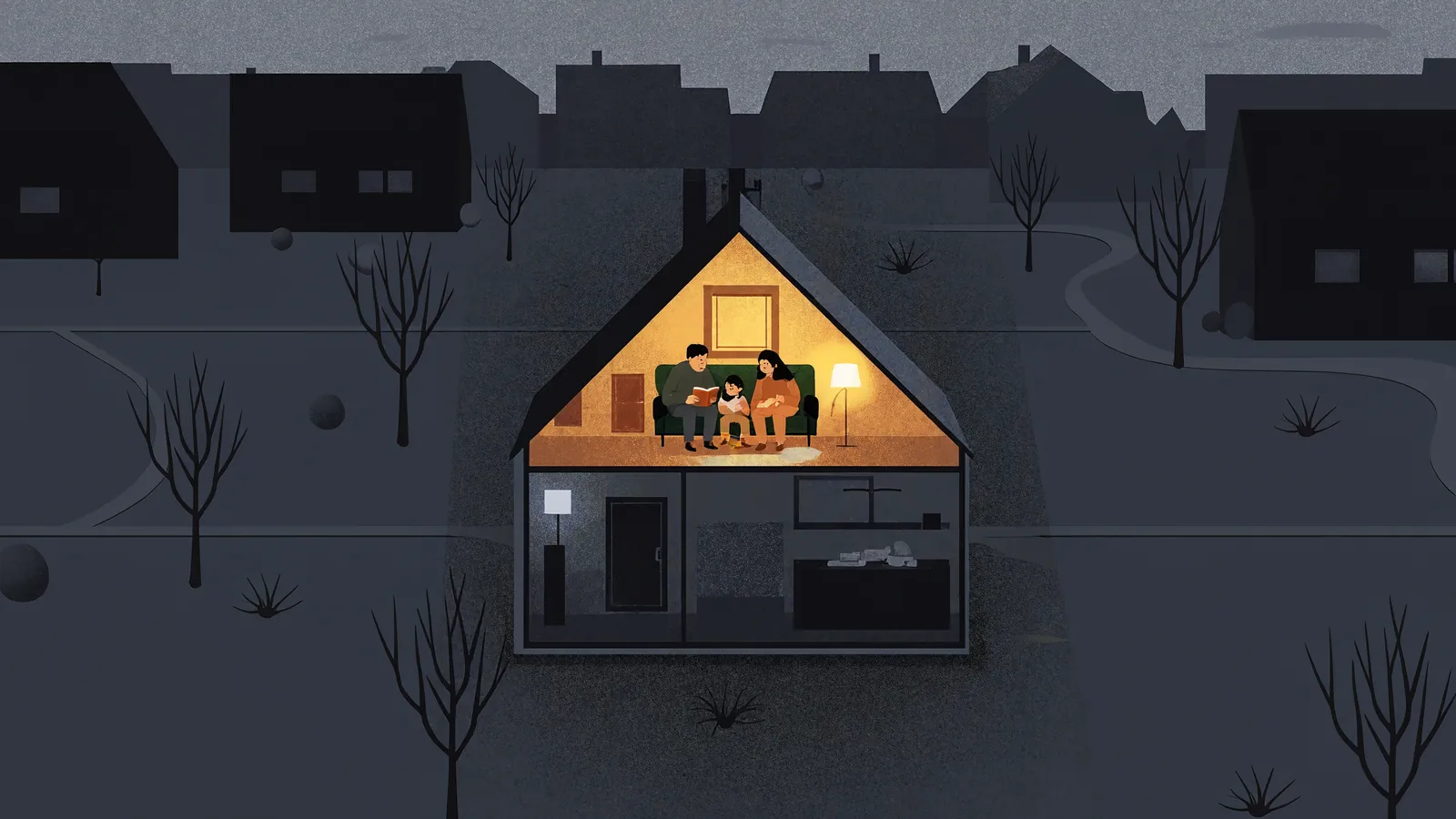
Cocooning is a stretch of time after a child comes home when you keep your family's world small on purpose and you, the parents, do nearly all of the caregiving. The goal is simple: a child who has just had everything change gets a quiet, predictable place to learn who Mom and Dad are.
You will also hear it called nesting. Agencies describe it in slightly different ways, and several say it looks different in every family. Treat it as guidance.
Mostly it looks boring, which is the point. The common threads:
How it looks depends on age and history. Carrying and rocking suit a toddler. Nobody suggests them for a newly adopted teenager, where the same idea shows up as time together and trust earned slowly.
Karyn Purvis, David Cross & Wendy Sunshine
If you want the thinking behind all this, start here. It is the trust-based parenting handbook many adoptive and foster parents read first.
See it on AmazonThere is no agreed number. Many agencies and adoptive parents suggest somewhere between several weeks and a few months of staying close to home, and some describe a lighter version, with fewer commitments, through much of the first year. Nearly all add that your child's pace decides. If you widen the circle and your child comes apart, shrink it again.
There are limits, too. One adoption educator argues that cocooning sometimes gets pushed to extremes, such as keeping grandparents from holding a baby for months, and that parents should be the main caregivers without being the only ones. A strict version is also hard if you are parenting solo, returning to work, or have other kids with school and practice. Plenty of families run a modified version, and nobody is grading you. We are parents, not therapists, so for questions about your specific child, ask your agency or an adoption-competent therapist.
People who love you have waited a long time to meet this child. Tell them before the homecoming, and keep it short:
Some families send a short letter so nobody hears it secondhand. One comparison people already understand: families with a newborn stay home for a while too.
Brothers and sisters live inside the cocoon. Those relationships are new too. Some stricter guidance says siblings should do no caregiving at all. Other parents let older kids hand over a bottle or help at bath time so they feel included, while the parents still do most of it. Either way, your other children did not sign up for house arrest. A grandparent who takes the big kids to practice is helping the cocoon from outside it.
Todd Parr
Bright, simple pages about what kids need and who gives it. Simple enough for a big sibling to listen in on.
See it on AmazonA picture book is cocooning in miniature: one lap, one voice, ten calm minutes that end the same way every night. Adoptive parents who write about reading describe a predictable story time as a low-pressure way to build trust. Keep it short. Let your child pick. Read the same book forty times if asked.
Hoda Kotb
A lullaby about waiting for a child. Pick it for the feeling more than the facts, which is exactly what bedtime in the first weeks calls for.
See it on AmazonPatrice Karst
Some children come home missing people: a birth parent, a foster family. This gives you gentle words for the idea that love still connects them.
Heads up: Not adoption-specific.
See it on AmazonTry this: choose one book and one spot on the couch, and read there at the same time every day for two weeks. Then ask your child, "Who should we invite to hear our book?" The answer tells you who they are ready to let in.
No single answer exists. Many agencies suggest several weeks to a few months of staying close to home, with a gradual widening after that. Watch your child more than the calendar.
It comes from pet adoption. Shelters use it to describe a shelter dog or cat settling in over about three days, three weeks and three months. We could not find an adoption agency that applies it to children.
In many families, yes, with ground rules. A common approach is short visits at your house where the parents still do the feeding and comforting and Grandma helps in other ways. How much holding is fine varies by child, so decide ahead of time and tell them kindly.
When you are ready to stock the couch, the book finder will match a calm read-aloud to your child's age and story.